Assimilation Is Our Art
For Official Registration of Ta’ziyeh on the UNESCO List of Intangible Cultural Heritage of Humanity
Assimilation Is Our Art
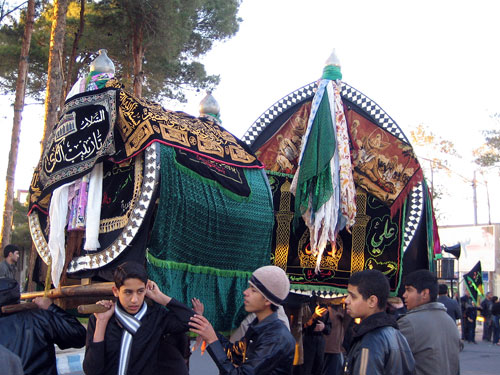
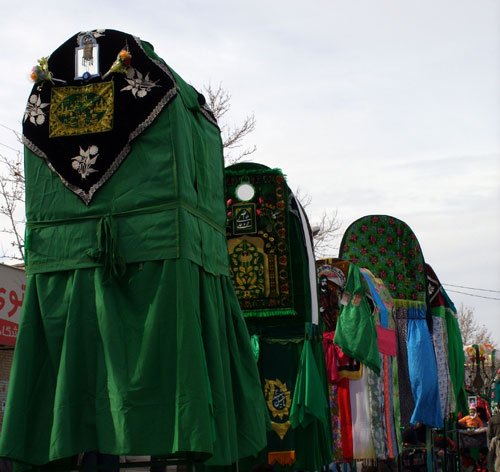
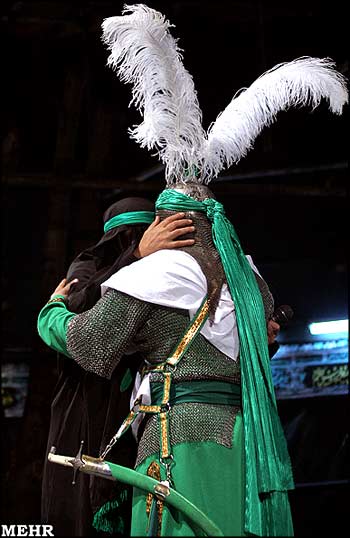
The unique Iranian art resulted that sometimes it can use assimilation for narrating a story instead of other ways such as Naqali (storytelling); then after the Play of Siavash Enmity was formed many years before Islam. Something which is known as Ta’ziyeh in Iran and the world is actually that Iranians’ art of assimilation play which was became religious play after Islam. It was developed until the age of Nassereddin Shah Qajar. Art of Ta’ziyeh is known as assimilation art in the most of Persian-speaking and even non-Persian-speaking Iran’s regions. Many people are still using the word of “assimilation” instead of “Ta’ziyeh”. It is really interesting that polices –with all developments in crime discovery-are still using assimilation ways. They often forced criminals to assimilate the crime scene for detectives; the way which is not new for Iranian people. Ta’ziyeh could perfectly incline the minds of religious audiences to the events of Aashura *. Ta’ziyeh does it as great as everyone even non-educated people can recognize the event of Aashura with only seeing some scenes of those assimilated settings. The point is so important because Iranian culture could live until today with non-written devices such as Naqali and Ta’ziyeh.
History of UNESCO Registration
In 2004, while Dr. Khosrow Neshan was the general manager of Iran Center of Dramatic Arts, he decided to register Ta’ziyeh on the UNESCO as an Intangible Cultural Heritage of Humanity. Therefore, group of artists and researchers were invited to gather the essentials to do the task. Nasser Taghvai, Iranian director, went to central regions of Iran for making a film on Ta’ziyeh and he made his memorable film under the title of “The Last Practice”. It was made in the small town of Zavvareh, near to Isfahan. Beside of it, photos, articles and filled forms of UNESCO were also sent there. They didn’t know that another process must be passed before it; national registration of Ta’ziyeh on the Iran cultural heritage office. At the same time, Iraq and Turkey were tried to register Ta’ziyeh as their heritage, so the work became harder especially that Turkey tried to register before Iran. Turkish people could register Mowlana(Rumi) previously with this kind of speed. However, the registration process gradually showed that Ta’ziyeh was just an Iranian art and it has travelled to other land from Iran.
Some other programs like Ta’ziyeh Congress for researching and revising different versions of it was held by artistic-cultural organization of Tehran municipality almost simultaneously with those attempts. In that unique congress, many Ta’ziyeh researchers were present such as Dr. Mohammad Hussein Nasser Bakhat, Dr. Laleh Taghian, and Hatam Asgari Farahani with tens of Iranian professional Ta’ziyeh players.
“The subject of registration of Ta’ziyeh on the list of UNESCO heritage was not so important in that time. Actually there was no organization which has special tendency or program to Ta’ziyeh. Therefore, when Mr. Jahangir Nasr Ashrafi (Iranian music Researcher) suggested holding a congress about Ta’ziyeh, I immediately accepted it. Fortunately, those attempts worked and it had good results.” Mohammad Hussein Barzin, present manager of Homa Hotels who was manager of music department of artistic-cultural organization of Tehran municipality says.
However, since 2006, Dr. Laleh Taghian became supervisor of the Ta’ziyeh document. She started to work on it with her team. They sent the document to UNESCO but UNESCO Registration Committee didn’t accept Iran’s documents. They even got some mistakes from Taghvai’s films until Iranian sent another film which was made by Azim Mousavi. Fortunately it was accepted by UNESCO. This short film that must not be more than 10 minutes, with other sent documents, convinced heads of UNESCO committee of registration of Intangible Cultural Heritage of Humanity to vote on 44-page document of Iranian Ta’ziyeh on their next meeting of 2010.
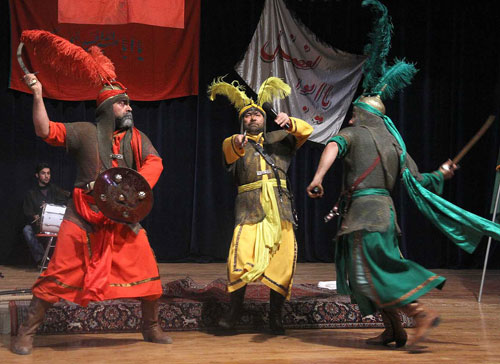
Finally, the fifth meeting of inter-governmental committee of UNESCO was held in Nairobi during 15-19 November 2010 and in that meeting, five heritages from Iranian cultural heritages were officially registered including Folk Music of North Khorasan, Zoorkhanei* Sport, Ta’ziyeh, weaving skills of Kashan Carpet, and rugs weaving skills of Fars tribes. UNESCO defines Intangible Cultural Heritage of Humanity as colloquial traditions like language, dramatic arts like music and dance and theater, rites and events, knowledge and social experiences about nature and existence and also traditional industries. Based on the definition, the countries who have registered their heritages on the UNESCO list, must try to keep them and inform its situation to the UNESCO by annually reports. Trying to expand and spread the registered heritage and preparing some educational programs for rising public knowledge about them are some of other duties of those countries who have registered their heritages. UNESCO and UN will help for the save of a registered heritage, meanwhile it is encountering with destroying danger.
*Aashoura: Aashoura means the tenth day of Imam Hussein martyrdom around 1330 years ago. Imam Hussein is the 3rd Imams of Shiite Muslims. Every year at the day of Aashura muslims of the world mourn for Imam Hussein and his 72 martyr friends.
*Zoor Khaneh: A place for doing Iranian ancient sport for showing the strength of athletes.
Translated by Somayeh Ghazizadeh
Previous articles:
Ghazal music in IRAN and north east of Asia
The Role of Armenians in Persian Music
The music of Boushehr and the Greek
Nowruz celebration with Persian colorful music
Two instruments which stand for the Persian Gulf
The Especial Instrument for Iranian Ceremonies
The gem of the Persian music ring passed away
Innovative Iranian musical instruments
 Hooshang Samani