The Most Nature-Oriented People in the World
Rotation of the Year around the Orbit of Iranian Nowruz
The Most Nature-Oriented People in the World
We do not know anyone on Earth who is unfamiliar with the rotation of years, months and weeks. All people in the world have numbers like 365, 30 and 7 in common for measuring the year, month and the week. As to when the reference time should be for the beginning and the end, however, the numbers are different based on the cultural taste of different nations of the world. For example, the 1st of January is the beginning of the Anno Domini year. Japanese also celebrate their New Year on this day, which is called “Oshogatsu”. The 7th of January is the New Year of Egyptians, named “Sekhmet”. Buddhists celebrate a day in January as the New Year called “Mahayana”. The 11th of January is the time of the New Year celebration for ancient Scottish people. Also, the 21st of the same month is the New Year of Celtics.
Chinese New Year is in the time in the period of January 21st to February 21st. Tibetan New Year, named “Losar”, is celebrated on the first day in late January and early February that coincides with the new moon. Vietnamese New Year, which is called “Tet”, also starts with the new moon between January 17th and February 19th. 1st of March is the New Year for Romans who celebrate the famous March Festival or “Ackaferyamarti”, the god of war. Also, the 14th of March is the first day of “Chet”, the first month of Sikh’s calendar.
The 14th of April is the New Year for many southeastern Asian countries with different names like “Bisaki” in India, Bangladesh, and Sri Lanka, “Sung Keran” in Thailand, “Tingian” in Myanmar, and “Bon Chel Chenam” in Cambodia, and Nepal. The new year of the Buddhists is celebrated on the 24th of May, which is called “Buddha Purnima” or “Buddha Jayanti”. The New Year for ancient Greece starts on 21st of June, and some of the ancient Greek calendars celebrated the New Year at the beginning of summer.
The New Year of Indian “Malayalam” starts in late August and early September in the southern state of India, Kerala that celebrates this time as the New Year. Zoroastrian New Year or “Shanshai” is always on 23rd of August and those Zoroastrians who follow “Shanshai” calendar celebrate this day as their New Year. The 1st of September is the New Year for orthodox Christians. Some of the orthodox Christians of Russia also celebrate this day. The 10th of September is the New Year for Africans, and the New Year for Ethiopia is September 11th. September 16th, day of “Rosh Hashana”, is the New Year for Jewish people. Moroccan people celebrate their New Year on the 3rd day of October.
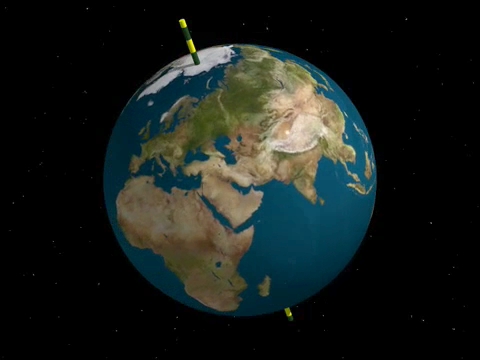
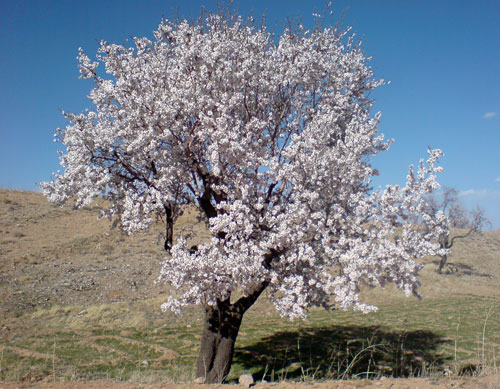
Among them, Iranian New Year has a fundamental difference with all other nations of the world, and that is its synchrony with the beginning of the Earth rotation around the sun. Iranian New Year, which is called “Nowruz”, starts on March 21st. From this point of view, Iranian people are the most nature-oriented habitants of the Earth who celebrate their New Year not because of ethnic or religious orientations, but only in conformity with nature. It is delightful that in this area of the Earth, the beginning of the New Year coincides with the reviving and blossoming of nature.
Translated by Somayyeh Qazizadeh
Edited by Aboozar Tabatabai
Previous articles:
Roudaki; Father of Persian Poetry
Registering Persian Gulf in UNESCO
A city full of Color and Music
The First Flourishing Base of Farsi Language
Rite of Religious Kettledrum Beating in Nayin
Ghazal music in IRAN and north east of Asia
The Role of Armenians in Persian Music
The music of Boushehr and the Greek
Nowruz celebration with Persian colorful music
Two instruments which stand for the Persian Gulf
The Especial Instrument for Iranian Ceremonies
The gem of the Persian music ring passed away
Innovative Iranian musical instruments
 Hooshang Samani